Grieving America
An Invitation to Hold Each Other as Things Fall Apart

When we hear the word “grief,” most of us are conditioned to think about physical death and the psycho-emotional pain that follows. But grief is subtler and more pervasive than that, more stitched into the fabric of how this mind-body process navigates life. Grief tends to and heals the wound found where attachment collides with impermanence. We can grieve the loss of a home, career, or partnership. We grieve visions of self, family, and community. We grieve beliefs, views, hopes, wishes, needs, and desires that never bloomed into a lived reality—or that did bloom, but then quickly faded and fell back to the earth.
So, can we grieve a nation? Perhaps more precisely, the visions, assumptions, and hopes we held for a nation? The degree of stability and safety we may have trusted? Can we grieve the death of a story of what America is, what it has meant to us, the “long arc” it was sailing to justice? Can we grieve the loss of decency? Of dignity? Of generosity? Of mercy? Of truth? Of hope? Of a sense of belonging? Can we grieve the aspiration of a true common-wealth? I think so.
Many of the hopes and dreams we’ve carried about what America could or should be have died or are at least in a kind of terminal swoon. The uncertainty of what comes next can at times feel overwhelming. Whatever the future may hold, in this moment some of our most basic assumptions about how citizens and governments should be are cracked at the foundation. Whether or not those foundational perceptions were ever truly as solid as we made them out to be isn’t really the point—any more than it’s the point that our loved ones were always going to die. We got attached and we built a sense of who we are, how the world is, and the rhythm of our days around those relationships and assumptions. Now they are no more and what is called for is healing through grieving together.
Grieving America is an eight-part series that centers this loss and begins a healing process through compassionate witness, story-telling, creativity, and collectively rebirthing a vision of courageous citizenship in the face of corruption, war, and collapse. A new, more beautiful way of being in relationship with this nation and with each other is beckoning to us from the other side of the threshold of grief.
_______________________________________________________________________________
A note on race, socio-economics, and privilege:
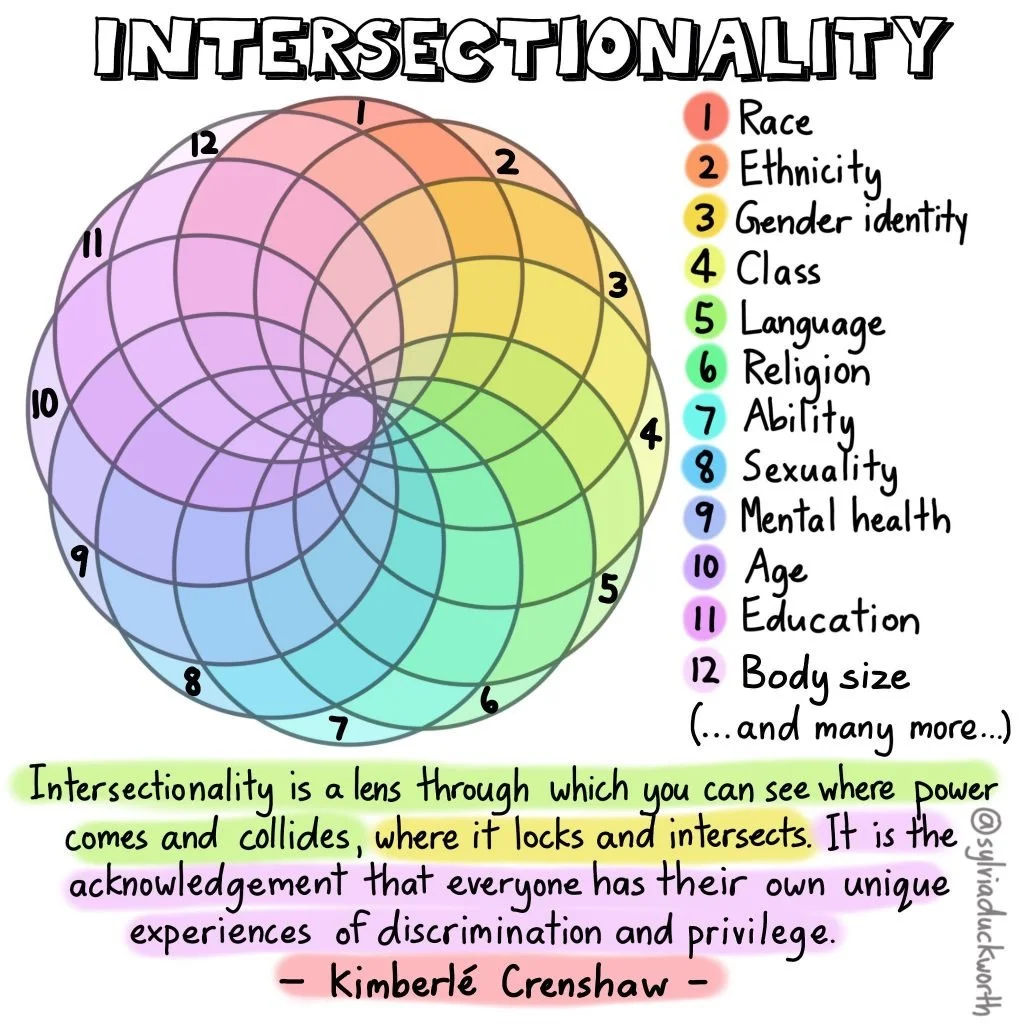
This nation, whatever its founding documents may posit, has not treated all people equally at any point in its history. Many white folks and others at intersectionalities of high privilege are just now waking up to what the QTBIPOC (i.e. queer, trans, black, indigenous, and people of color) population and other marginalized groups have been experiencing at the hands of the state for centuries. It is likely that most people who are grieving an attachment to a wholesome vision of the United States are white or have been the direct or indirect beneficiaries of a lopsided power and wealth distribution shaped by white-supremacy and colonialism.
It is important for me to say that you are not expected to bring with you an idealistic (or even a positive) story of what America is or has been in order to “justify” your experience of grief. You may be well-acquainted with the injustices, violence, corruption, and othering that are part-and-parcel of US history and still feel heartbroken, afraid, unsafe, destabilized, or deeply hurt by what you are watching unfold before your eyes. You may still want community, witness, and loving presence in the presence of this wave of violence and collapse. We will all come with our own personal histories and understandings and we will do our best to hold a wide birth for each others’ learning curves and needs. It is completely understandable that processing such deep and painful intergenerational experiences may feel burdensome in an integrated space, so I want to explicitly welcome the requests, concerns, feedback, and inquiries from folks with marginalized identities.